Leadership, commercial strategy and business growth insights
Ideas that shape better leadership and stronger businesses.
Practical perspectives on leadership, commercial strategy, business growth and organisational capability, shaped by 25 years of leading businesses, building capability and navigating complex commercial challenges. The perspectives that come out of the work, the questions we keep returning to, and the ideas behind how we help businesses grow.
Our own thinking
A clear point of view on leadership, growth and the decisions that compound over time.
What the mountains taught me about leadership
A summer of hiking in the Dolomites, and five things it made me think about differently: why clarity beats speed, why progress is rarely linear, why pace matters more than pressure, and why the way down deserves as much respect as the climb.
Read the article →
How B Corp and ISO 14001 became my compass
Two certifications, treated not as badges on the wall but as a practical compass for making better decisions. What they changed about the way I lead, and what any business can take from them.
Read on LinkedIn →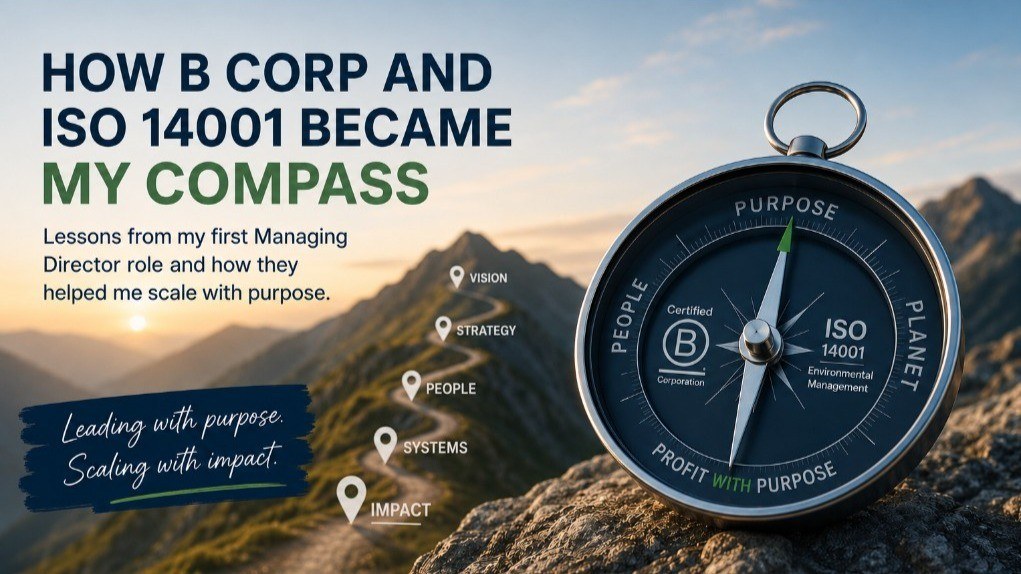
Scaling without losing yourself
A four-part series on what happens when a business grows faster than the way it runs. How scaling quietly breaks the things that made a company work, and how to hold on to them as you grow.
 The Founder's Paradox: why scaling kills the thing that built you
The instinct that makes a founder-led business fast is the one that stops it scaling, and corporates make the mirror-image mistake. Why structure and ownership were never really enemies.
Read the article →
02
The Founder's Paradox: why scaling kills the thing that built you
The instinct that makes a founder-led business fast is the one that stops it scaling, and corporates make the mirror-image mistake. Why structure and ownership were never really enemies.
Read the article →
02
 Why founders boast about failure and corporates bury it
The teams that report more mistakes aren't worse teams. They're the ones safe enough to catch problems early. Why honesty about failure signals whether a business is still learning.
Read the article →
03
Why founders boast about failure and corporates bury it
The teams that report more mistakes aren't worse teams. They're the ones safe enough to catch problems early. Why honesty about failure signals whether a business is still learning.
Read the article →
03
 Why an owner's mindset isn't a personality trait
An owner's mindset is treated as something you either have or you don't. It is actually something you can design for and build into a team.
Read the article →
04
Why an owner's mindset isn't a personality trait
An owner's mindset is treated as something you either have or you don't. It is actually something you can design for and build into a team.
Read the article →
04
 The Compound Effect: how to scale without losing your edge
How small, consistent decisions compound into a durable advantage, and how to protect that edge as the business grows.
Read the article →
The Compound Effect: how to scale without losing your edge
How small, consistent decisions compound into a durable advantage, and how to protect that edge as the business grows.
Read the article →
Where our thinking comes from
Books, ideas and thinking we've actually put to work. Not a reading list, but the influences behind how we approach the work, and what a leader can take from each one.
 Book
BookThinking in Systems
Meadows argues that we fixate on individual events or parts when the real answer sits in the relationships between them. A system is more than the sum of its parts. Change one element and you create consequences somewhere else, some intended, some not. The better question isn't what is happening, but what is creating the conditions for it to happen.
In a fulfilment operation, high-quality cardboard from our main client was being treated as waste and sent to the baler. Instead of managing it as a waste problem, we looked at the wider system and asked where the resource could create value. We diverted the boxes and sold them for reuse, repurposing 250 pallets and helping save more than 600,000 litres of water in six months, then reinvested the proceeds back into the team's working environment.
When something isn't working, resist the urge to fix the most visible problem. Step back and look at the system: what is driving the behaviour, where value is being lost, what you're treating as waste. Sometimes the biggest opportunity isn't fixing what's broken. It's seeing the system differently.
 Book
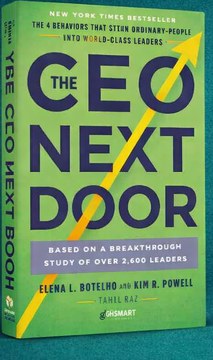
BookThe CEO Next Door
From research into more than 2,600 CEOs, Botelho and Powell found that decisive leaders aren't the ones with the most information. They're better at triage: working out quickly what needs deciding now, what can wait, and what isn't theirs to decide at all. Decisiveness isn't about speed. It's about refusing to let uncertainty bring everything to a standstill.
When a company I worked for put in an offer to acquire a DTC business, every project on our own eCommerce build was paused while we waited to see whether the deal would go through. Rather than let one uncertain decision stop everything, I reframed the key projects so they could continue at a lower intensity. The acquisition fell through a few months later, and because we hadn't waited for certainty, we hadn't lost the progress we would otherwise have needed to make up.
Good leaders don't eliminate uncertainty. They stop it becoming an excuse for inaction. A useful question: what is currently on hold in your business, waiting for a decision that might not land for months?
 Book
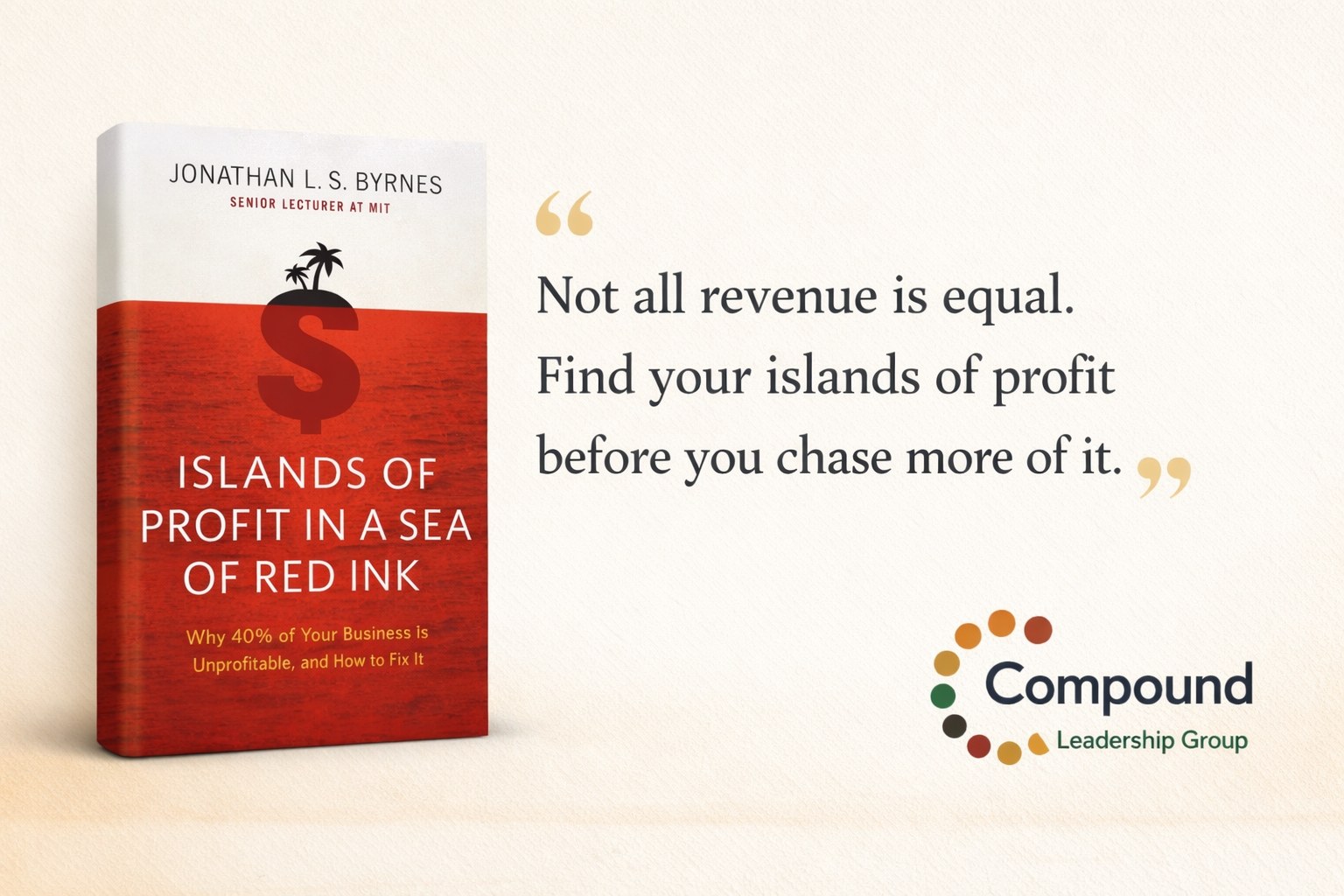
BookIslands of Profit in a Sea of Red Ink
Most businesses have a small number of highly profitable customers, products or channels, and a much larger number that quietly lose money. Byrne calls the profitable slice the "islands of profit", sitting in a "sea of red ink". Growing revenue without knowing which is which just means growing the losses faster.
I used this thinking directly in a previous role to help shape client decisions, mapping profitability down to the customer and product level rather than trusting the top line, then making deliberate calls about where to invest, where to hold, and where to walk away.
Before you chase more revenue, find out which parts of the business are actually making you money. Growth is only good news if it's growing the right things.
 Book
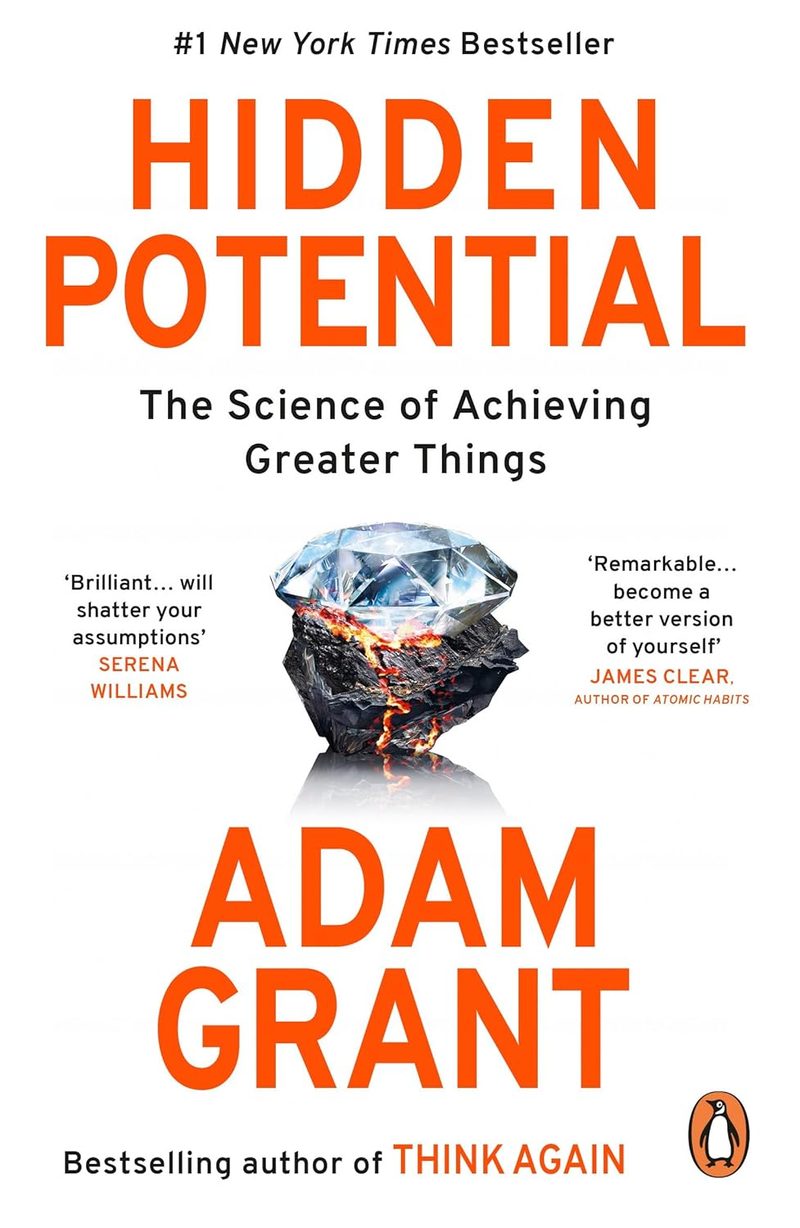
BookHidden Potential
Grant's argument is that innate talent is overrated. What actually predicts long-term success is a set of character skills, proactivity, discipline, determination, and the willingness to be a "sponge" for feedback, and these rarely show up on a CV. In one striking study, children who developed these habits early went on to outperform higher-scoring peers decades later, regardless of where they started.
I've used this thinking to change how we assess candidates when recruiting, looking for evidence of trajectory and effort rather than just the polish of a CV or the prestige of a previous employer. Someone who has improved fast from a difficult start is often a better bet than someone who arrived already finished.
Stop hiring for the CV you wish you'd written. Look for the direction someone is travelling, not just where they've been.
 Book
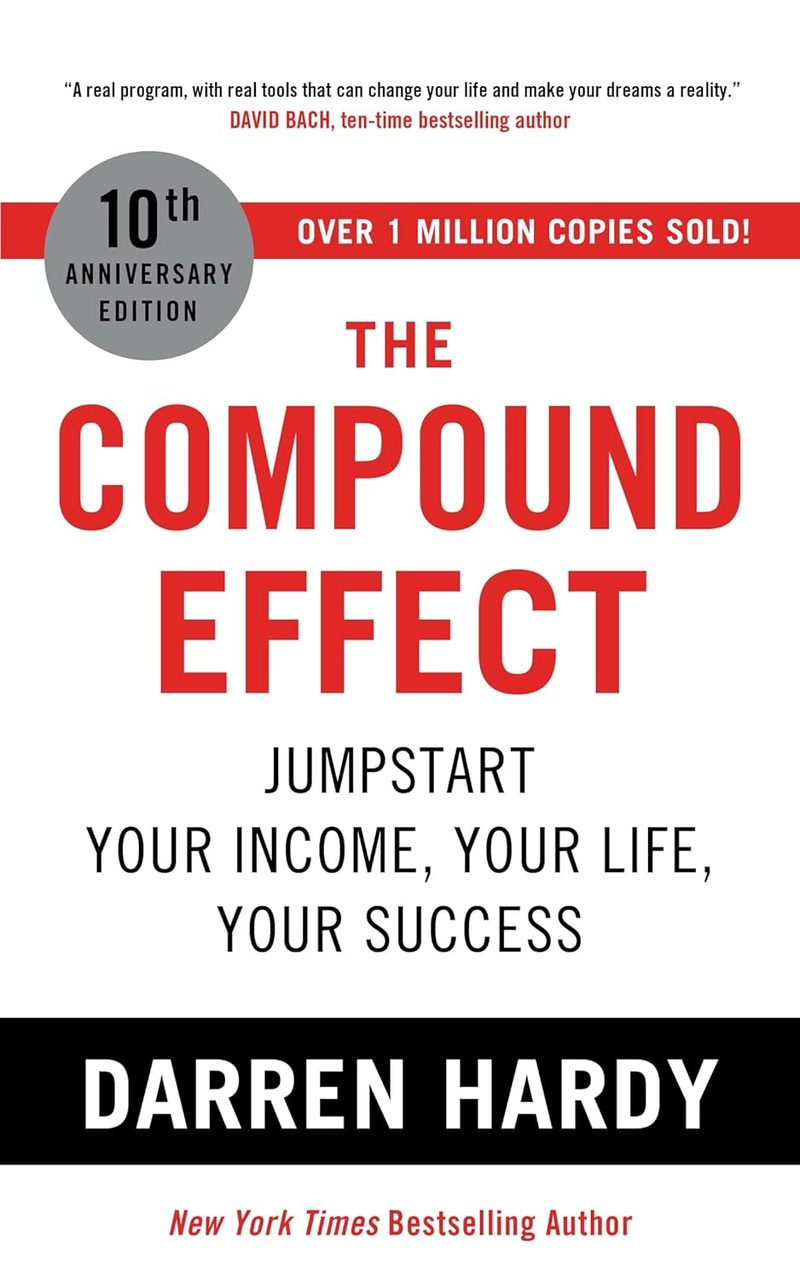
BookThe Compound Effect
Hardy's argument is that success is almost never the result of one big decision. It comes from small, smart choices repeated consistently over time, choices so minor they're easy to dismiss, until the compounding catches up. His formula is blunt: small, smart choices, plus consistency, plus time, equals a radical difference.
I used this thinking to find small, practical ways to manage waste in the business. On their own, none of them looked significant. Over time, they compounded into a whole waste ecosystem, one that became the operational backbone underpinning our ISO 14001 accreditation.
You don't need a bigger breakthrough. You need a smaller, better decision, repeated until it compounds.
 Book
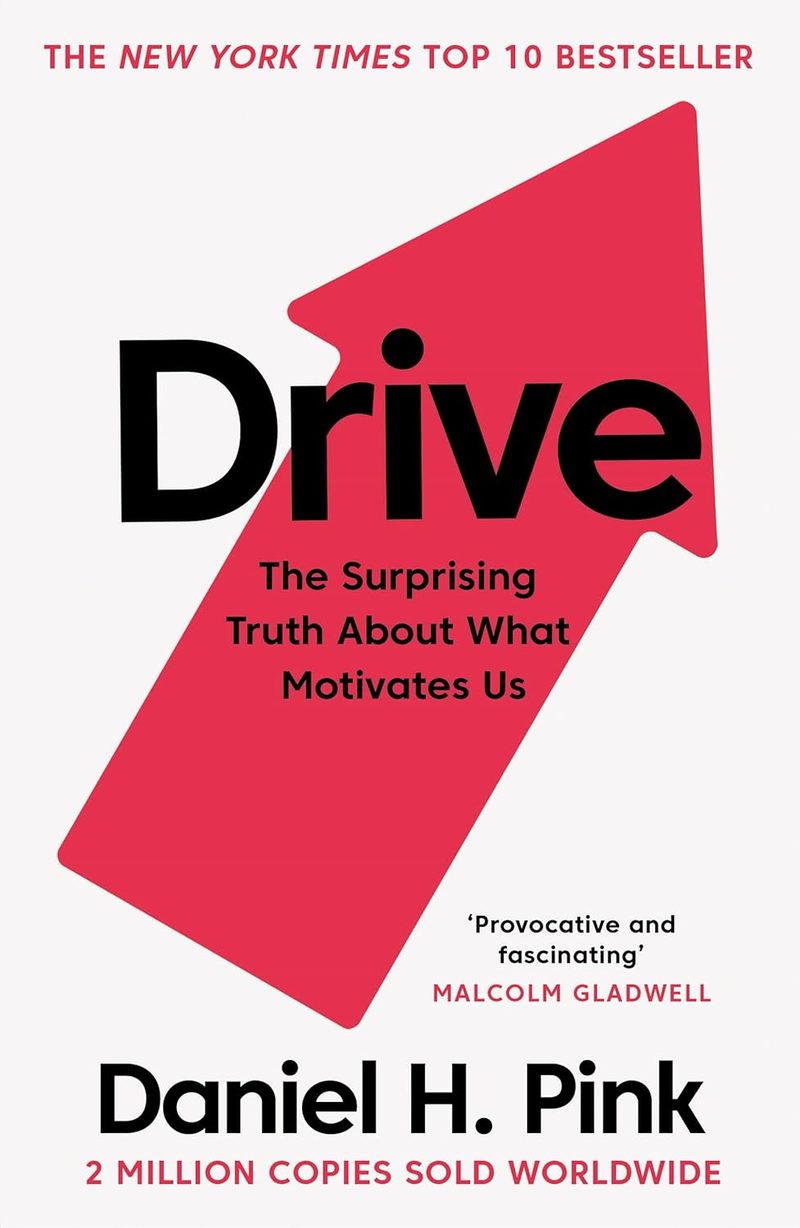
BookDrive
Pink's case is that carrot-and-stick motivation only works for simple, mechanical tasks. For anything requiring judgement, care or creativity, people are driven by three things instead: autonomy, mastery and purpose. Give people real control over their work and they outperform any bonus scheme.
I built a hands-on exercise for warehouse Team Leaders around this, giving them real autonomy to choose where to focus their attention each day rather than follow a fixed checklist, then coaching them to use that choice to lead their teams towards better, more consistent results.
Control gets you compliance. Autonomy gets you engagement. If you want consistent results, give people a real say in how they get there.
 Book
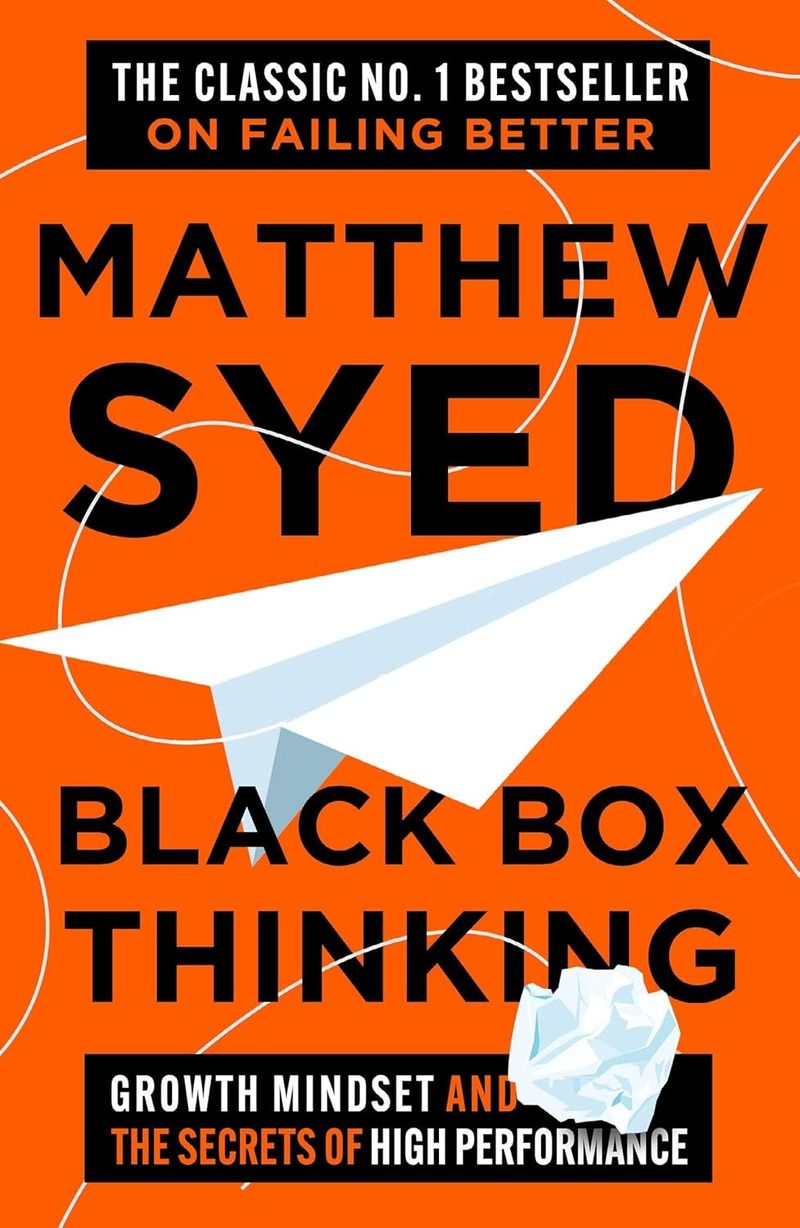
BookBlack Box Thinking
Syed's comparison is aviation versus healthcare. Aviation treats every failure as data and investigates it openly, which is why flying keeps getting safer. Many other industries hide failure instead, so the same mistakes happen again. The argument is blunt: you either learn from failure or you repeat it.
I've built this into post-project reviews, most usefully after peak season, so the lessons from one cycle actually change how we plan the next one instead of getting lost once the pressure is off.
Review it or repeat it. There is no third option.
 Book
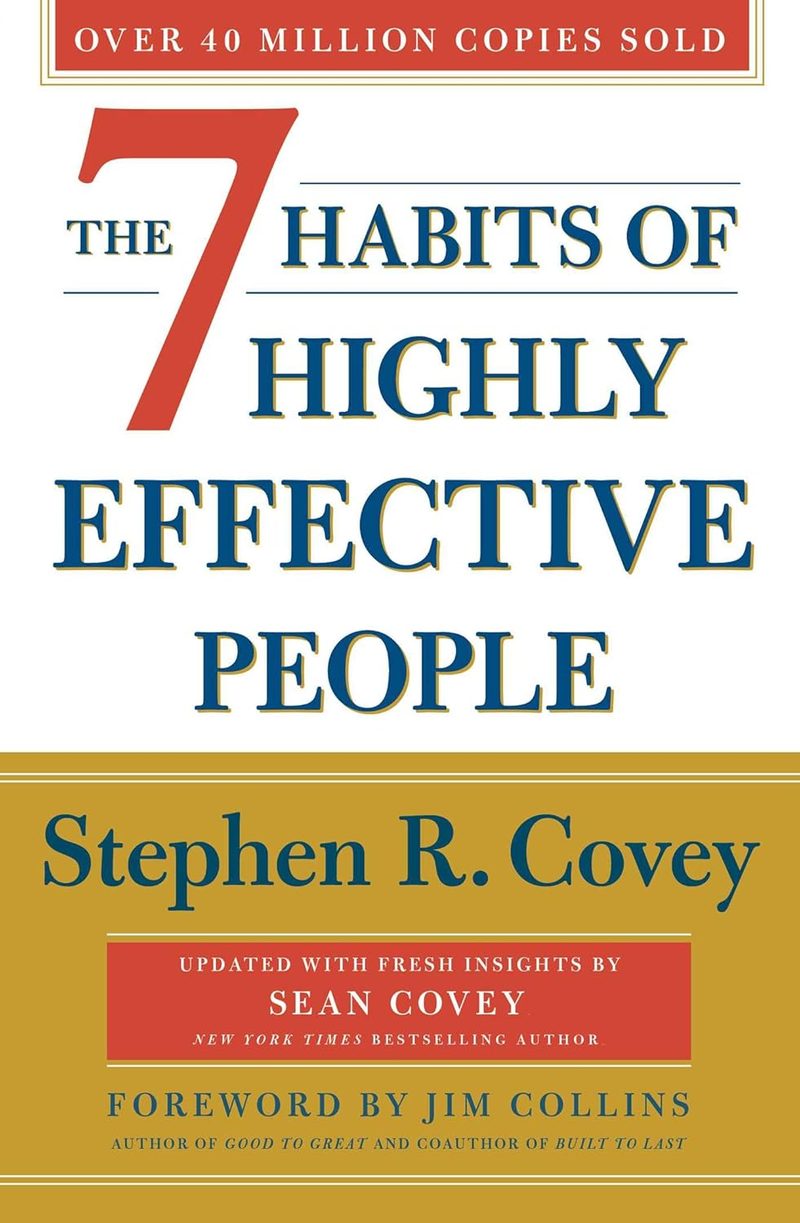
BookThe 7 Habits of Highly Effective People
Covey's case is that lasting effectiveness is built from the inside out, through character and habit, not technique. Two habits do most of the work: seeking to understand before being understood, and looking for a third alternative when two people seem to disagree. There is usually a better option than either side's starting position.
I try to practise all seven, but it's the listening and the third alternative that show up most in board and founder conversations, along with making time to sharpen the saw rather than running on empty.
Listen to understand, not to reply. The third way is usually there.
 Book
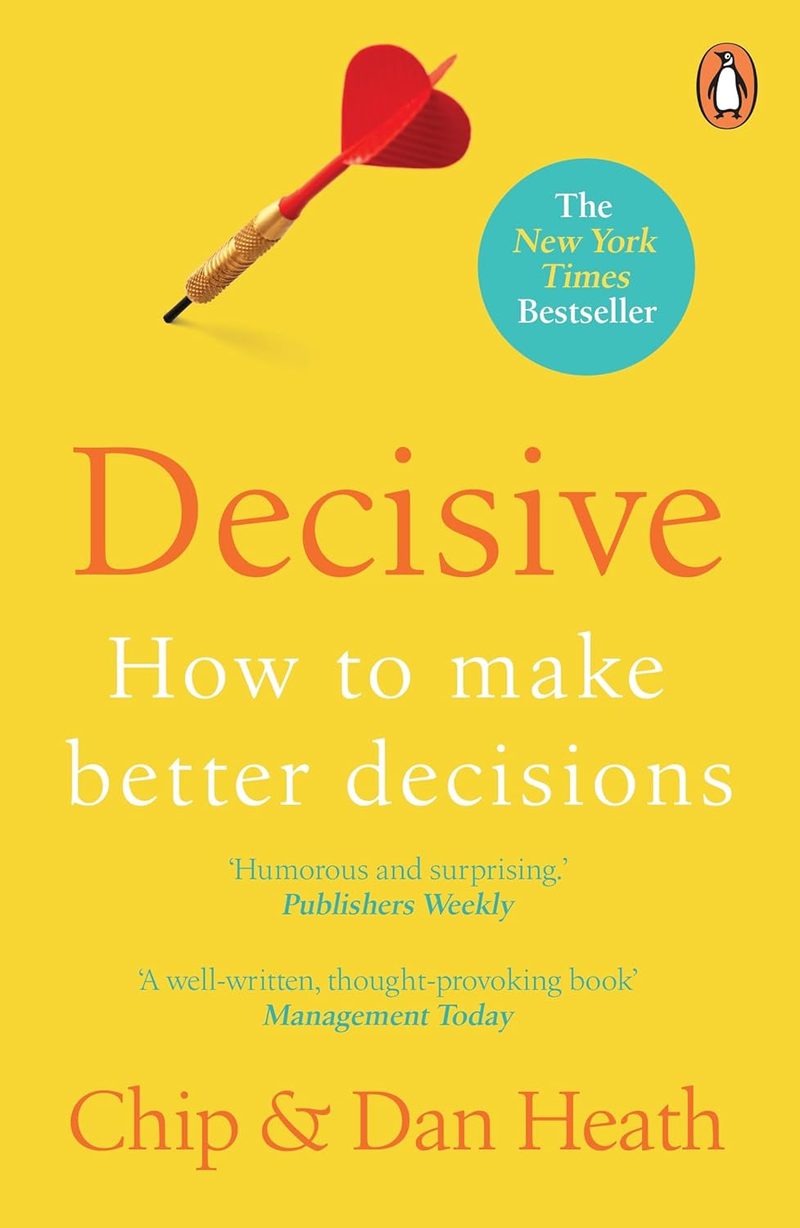
BookDecisive
The Heaths set out four ways decisions quietly go wrong, from narrow framing to short-term emotion, and offer a simple counter called WRAP: widen your options, reality-test your assumptions, attain distance before deciding, and prepare to be wrong. Most bad decisions come from a narrower set of options than the situation actually allows.
Before any major call, personal or professional, I push to widen the options on the table first and stay alert to the biases that narrow thinking without anyone noticing.
A wider set of options beats a longer list of pros and cons.
If any of this got you thinking, let's take it further.
Whether it's a leadership, capability or commercial challenge, a conversation is a good place to start.
Start a conversation →